
LIQUIDICE: Unfrozen: Who Gets the Water When the Melt Begins?
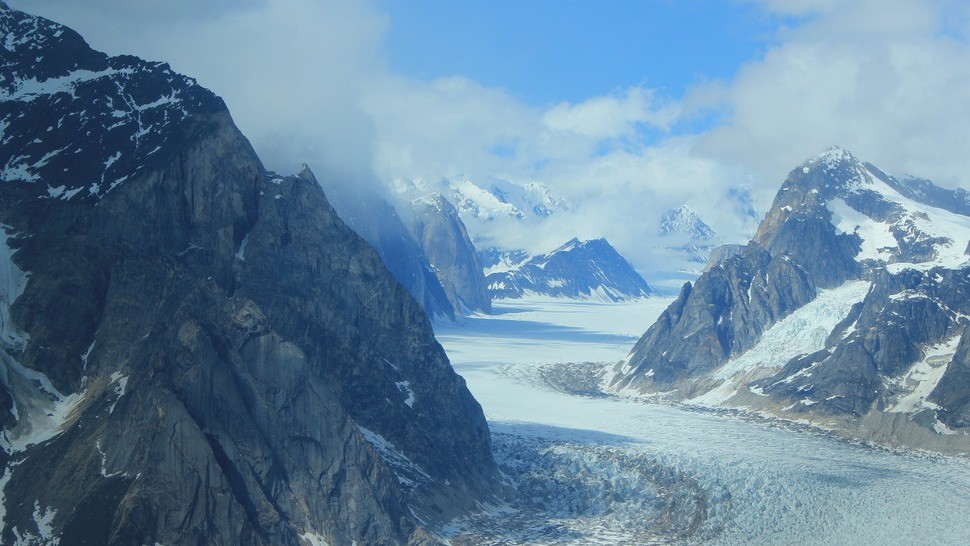
Snow and glaciers act as Earth’s natural freshwater storage for rivers, ecosystems, farms, and cities. But as the climate warms, this frozen reserve is changing rapidly, affecting when and how much water is available.
In this talk, Ekaterina Rets will introduce what it means to work in the geosciences and how scientists study glaciers and snow cover and using field measurements, satellites, and models. We will explore what is happening to the world’s ice and seasonal snow under climate change, why this matters for water resources, and how shifting melt patterns can influence droughts, floods, and water security.
We will discuss what ongoing changes in glaciers and snow cover means for our future, and why understanding frozen water is key to managing freshwater in a warming world.
Ekaterina Rets
Ekaterina Rets is an Assistant Professor at the Institute of Geophysics of the Polish Academy of Sciences. For more than 16 years she has been studying how changing climate affects hydrological systems from glaciers and snow to rivers. She has vast fieldwork experience in glacier regions around the world, including Svalbard, Caucasus, Tien Shan, Siberia, Altay, and Kamchatka. She developed the distributed energy-balance model A-Melt for alpine snow and ice melt and co-developed the widely used grwat R-package. Ekaterina is also a contributing author to the IPCC Sixth Assessment Report and has been recognized for her work in data science and hydrology.